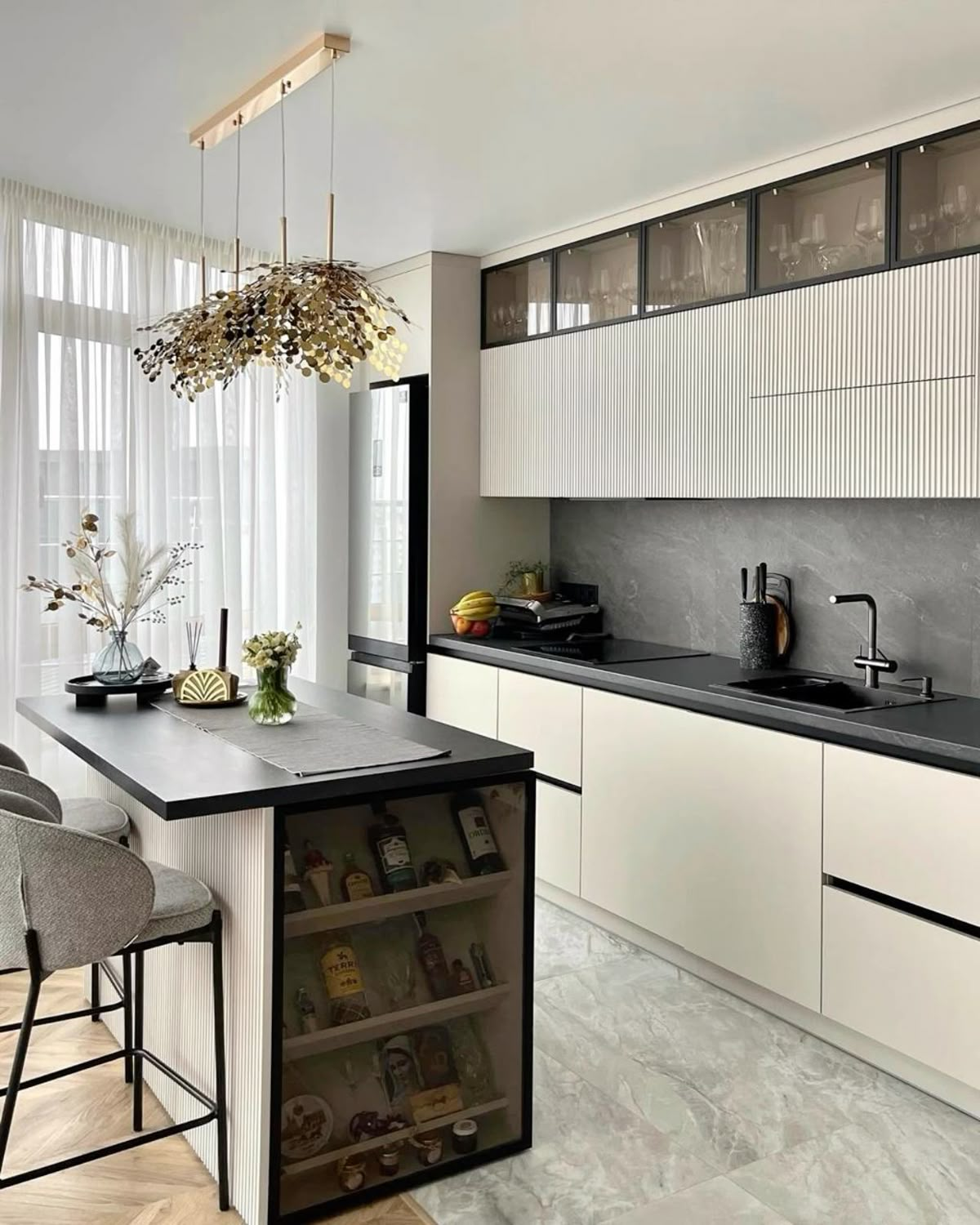
Concept: Designing a Kitchen Within the Context of the Entire Home
In practice, a successful kitchen remodel is never an isolated upgrade. It is a strategic intervention within a broader home remodel and interior design framework. When working with mid-range and premium clients in the U.S., the first step is aligning the kitchen concept with the architectural language of the house—whether that’s a transitional suburban home or a modern open-plan residence.
A typical scenario: a client requests a “modern kitchen,” while the rest of the home remains traditional. Instead of forcing contrast, the solution is a controlled transition—clean-lined cabinetry paired with warm materials that echo adjacent spaces. This ensures the kitchen integrates naturally rather than appearing as a disconnected upgrade.
From a planning standpoint, the kitchen must also anticipate future phases of bathroom remodel or renovating bathrooms, especially when plumbing systems and material palettes overlap. This avoids costly rework and maintains consistency throughout the home.
Layout: Functional Geometry Before Aesthetics
The layout defines the performance of the kitchen. Before selecting finishes or appliances, spatial logic must be resolved: movement, access, and workflow.
Work Zones Over the Traditional Triangle
The classic triangle still applies, but modern kitchen design relies on zoning:
- Preparation zone (counter space near sink)
- Cooking zone (range with proper landing areas)
- Storage zone (efficient access to dry goods and refrigeration)
In a recent 180 sq.ft. project, replacing a peninsula with a compact island improved circulation and introduced dual-sided storage. This type of adjustment has a measurable impact on usability.
Open-Plan Integration
In open layouts, the kitchen becomes part of the living environment. This requires alignment in:
- Cabinet proportions with surrounding millwork
- Island scale relative to seating areas
- Lighting hierarchy across zones
Poor planning at this stage often leads to kitchens that function technically but feel disconnected from the rest of the home.
Materials: Where Budget Meets Longevity
Material selection drives both aesthetics and kitchen renovation costs, but more importantly, it determines durability.
Cabinetry: Structure Over Finish
Clients often prioritize color, but construction quality is critical:
- Plywood cabinet boxes for long-term durability
- Soft-close hardware systems
- Full-extension drawers instead of fixed shelving
For modern kitchens, matte lacquer and high-quality veneer are preferred. Solid wood is less common due to movement and maintenance issues.
Countertops: Performance vs. Perception
Quartz is dominant in mid-to-premium projects due to:
- Low maintenance requirements
- High resistance to wear
- Visual consistency
Natural stone (marble, quartzite) is used selectively. For example, using marble on an island while keeping quartz on perimeter counters balances aesthetics with practicality.
Finishes and Surfaces
All surfaces must align with the broader interior design strategy:
- Large-format tiles reduce visual fragmentation
- Engineered wood flooring connects spaces
- Minimal grout lines enhance a modern aesthetic
Costs: Realistic Kitchen Renovation Costs in the U.S.
Understanding kitchen remodel costs is essential for realistic planning. In the U.S. market (2025–2026), the ranges are:
Mid-Range Kitchen Remodel
- $35,000 – $75,000
- Semi-custom cabinetry
- Quartz countertops
- Standard appliances
Premium Kitchen Remodel
- $75,000 – $150,000+
- Custom cabinetry
- Integrated appliances
- High-end finishes and lighting
Typical Cost Breakdown
- Cabinetry: 30–40%
- Labor: 20–30%
- Appliances: 10–20%
- Countertops: 10–15%
- Lighting and finishes: remainder
A common issue: clients underestimate cabinetry costs. In one case, reallocating budget from appliances to cabinetry improved overall function without exceeding the total investment.
The key principle is clear—budget should follow function, not trends.
Mistakes: What Homeowners Consistently Get Wrong
Across most home remodel projects, the same mistakes appear repeatedly.
1. Prioritizing Aesthetics Over Workflow
A visually impressive kitchen that lacks functional planning quickly becomes inefficient.
2. Underestimating Storage Needs
Designing for appearance rather than daily use leads to insufficient storage. Deep drawers, vertical solutions, and pantry integration are essential.
3. Ignoring Lighting Layers
A single lighting source is inadequate. Effective kitchens use:
- Task lighting (under cabinets)
- Ambient lighting (general illumination)
- Accent lighting (design elements)
4. Disconnecting Kitchen from Bathroom and Overall Design
When bath remodeling or renovating bathrooms is considered separately, the result is a fragmented interior experience.
5. Misjudging Budget Allocation
Over-investing in visible finishes while neglecting structural elements leads to premature wear and higher long-term costs.
Final Result: What Defines a Successful Modern Kitchen
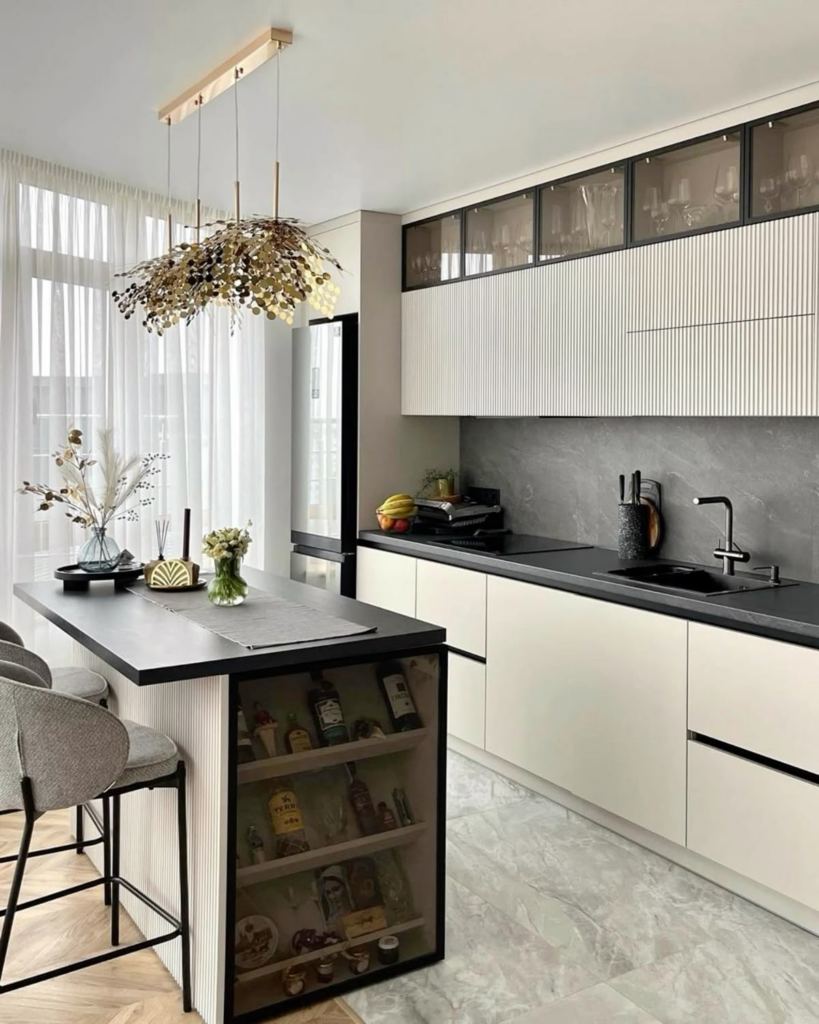
A well-executed kitchen design is defined by performance, integration, and durability—not trends.
Successful projects consistently demonstrate:
- Clear spatial organization
- Material consistency with overall interior design
- Long-term value through durable choices
When approached strategically, a kitchen remodel becomes more than an upgrade—it becomes a central component of a cohesive, functional home.